
7 mistakes you're making during your Spiritual Journey
- Layshaianae
- Sep 4, 2022
- 12 min read


Article Menu
Introduction
Personal transformation has been a big part of my life over the past few years. As I continue to grow and unearth the layers of myself, I've noticed a couple of things. One is that spiritual journeys are increasingly like trial and error. We make mistakes and while they're not always pretty, they can be very helpful.
The second thing is that no matter what stage someone is at in their journey, there are some important things to keep in mind in order to have an easier time transitioning into a different lifestyle, especially at the beginning when we need it most. This article is for anyone who's on (or considering) a spiritual path and looking for tips to make the transition smoother.
It's okay if your transition isn't easy. It's normal, and it happens to a lot of people. There are many factors involved in this process: changing jobs, moving cities, losing friends from old circles, leaving behind old habits and routines.
Be patient with yourself. It's easy to get frustrated when things don't go as planned or you feel like your life isn't changing fast enough, but remember that change doesn't happen overnight and it's a process.
The more you're present in each moment, the easier it is to notice what needs to be done next. I know what it was like to feel overwhelmed with the changes my life underwent and how hard it was for me to adjust at first.
As we begin our spiritual journeys, many of us don't realize what mistakes we might be making. There are many paths and many teachers and many experiences.
Once you start to experience spirituality, it's very easy to get wrapped up in the idea of "who is right". My intention is not to tell you who is wrong or right. I just want to offer some tips and tricks that may help you avoid the pain I've gone through on my spiritual journey. These tips focus on your mindset and how to approach your new lifestyle as a spiritual being.
These are things I've learned over the years, both from my own experiences and from conversations with others. These tips may seem obvious, but sometimes it's helpful to be reminded of what we already know.
1. Treating your practice like a hobby

The most important thing is to not think of spirituality as a hobby but as a lifestyle change. I know that sounds like a pretty bold statement but if you really want to change your life for the better, this is what you need to do.
You see, people are always looking for the easy way out. They want to find some quick fix that will solve all of their problems and then they can go back to living their lives without having to do any work or make any changes in their life.
Spirituality is not a quick fix. It's not something that you can do one day and then forget about it and have everything magically fall into place in your life.
The biggest reason why people don’t stick with their spiritual practice is that they are not willing to make the time for it.
Spiritual growth requires commitment, consistency, and persistence. It takes serious discipline to carve out time in our busy schedules for spiritual practice.
If you want to fully benefit from your spiritual practice, then don’t think of spirituality as a hobby but as a lifestyle change. Make it a priority in your life and schedule it into your weekly routine just like anything else that matters to you.
You can't just read a few books on meditation and expect everything in your life to start flowing smoothly. You have to commit yourself to this path and make it part of your daily routine if you want it to work properly.
It took me several years before I finally started making progress with my spiritual development but once I did start making progress, things started changing rather quickly for me. My relationships improved, my career started improving as well, and everything else just seemed easier than before. This was because I was no longer focusing on spiritual hobbies but instead focused on making structural changes to my daily routine.
You can learn more about establishing good structural habits in my guide "How to heal the wounded feminine with ritual."
2. Comparing your journey out of envy & Ego
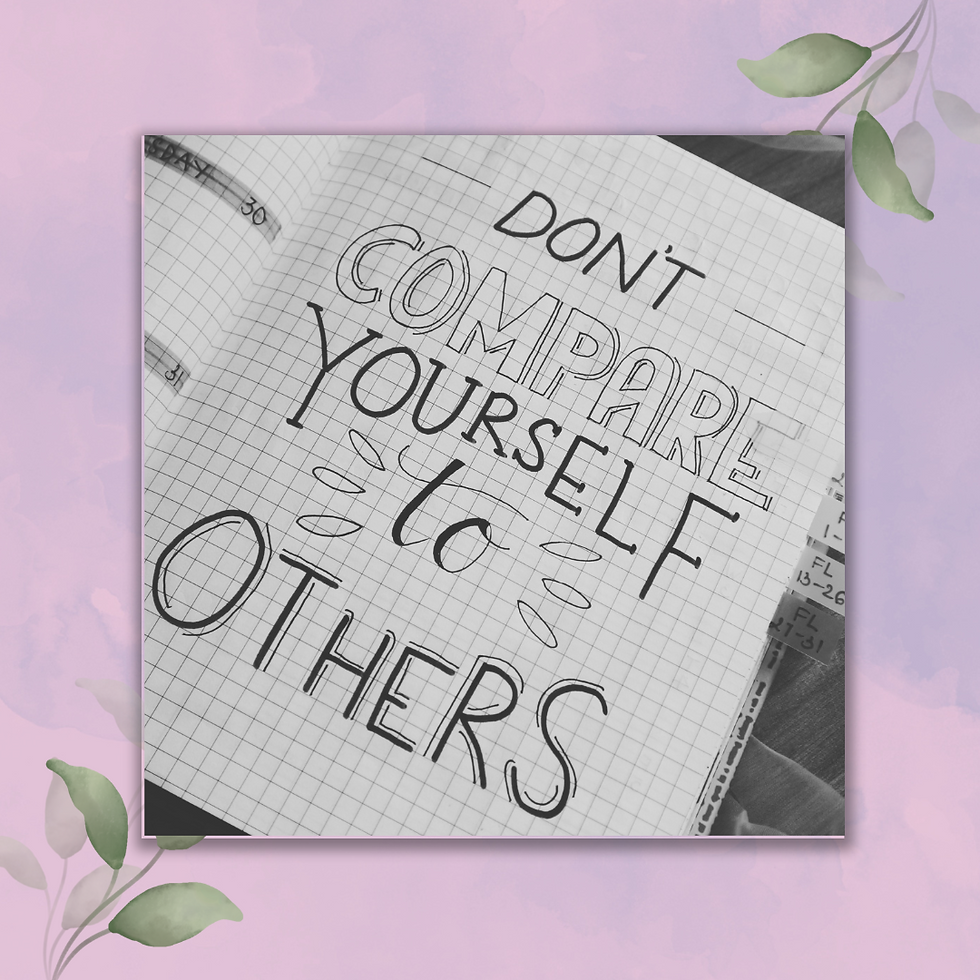
Spiritual practice is not about being perfect. It’s not about bashing other people or judging them. Spiritual practice is about connecting with your true self, your divine nature, and bringing that out into the world in a way that helps others do the same.
Spiritual practice is not meant to make you better than other people. If you think that becoming more enlightened makes you better than others, then you have bought into the ego’s con job.
The ego wants us to feel separate from each other and compete with one another driving us apart.
It wants us to think that if we have more money or fame or power or sex appeal then we are somehow superior beings who deserve more than others do (and therefore should have more). It wants us to believe that anything less than this is failure—that we should be ashamed of ourselves for not having what someone else has (or thinks they have).
Spiritual practice means becoming more connected with yourself, which automatically connects you with everyone else around you too since we are all interconnected as one great web of life!
It's easy to get caught up in the idea that we're 'better' than other people because we're on a spiritual path. We think this because we've been taught that being spiritual means being humble, and humility means being aware that no one is better than anyone else.
But if you're truly humble, then you can't possibly think that you're better than anyone else (even for the sake of argument). The very act of thinking such a thing would be an indication that your ego is misbehaving again!
So why do people get caught up in this trap? It's because they don't understand what spiritual growth really means. Spiritual growth isn't about becoming more evolved or more enlightened than everyone else; it's about becoming more evolved and enlightened through human relationships and experiences. And this requires us to connect with others on a deep level so that we can learn how to love them unconditionally.
Spiritual growth is an ongoing process. There is no finish line and there are no shortcuts.
Spiritual growth requires you to set aside time for yourself so that you can grow and learn.
You might be thinking, "But what if I am not as good as other people? What if I am not spiritual enough?"
The truth is, no one is perfect in life. We all make mistakes and we all have flaws. We are human after all! However, if we compare ourselves to others then we will never grow spiritually because it will always be a competition between us and them — and we will always lose in this competition.
Comparing yourself to others is also not good because it means that someone else's journey is more important than yours. Even if they are further ahead than you are at this moment, they started at their own starting point (just like you did). They had their own challenges along the way just like everyone else does — so why should their journey be more important than yours?
When we are experiencing pain and suffering, it's natural to want to escape. The ego is always looking for ways to avoid discomfort, but in this case, it means avoiding our pain or discomfort instead of addressing it head-on.
Instead of trying to escape into another world or distraction, we need to take a look at what is causing us pain and how we can address it. This can mean doing some deep soul-searching or perhaps even embarking on shadow work when necessary.
3. Not establishing core values
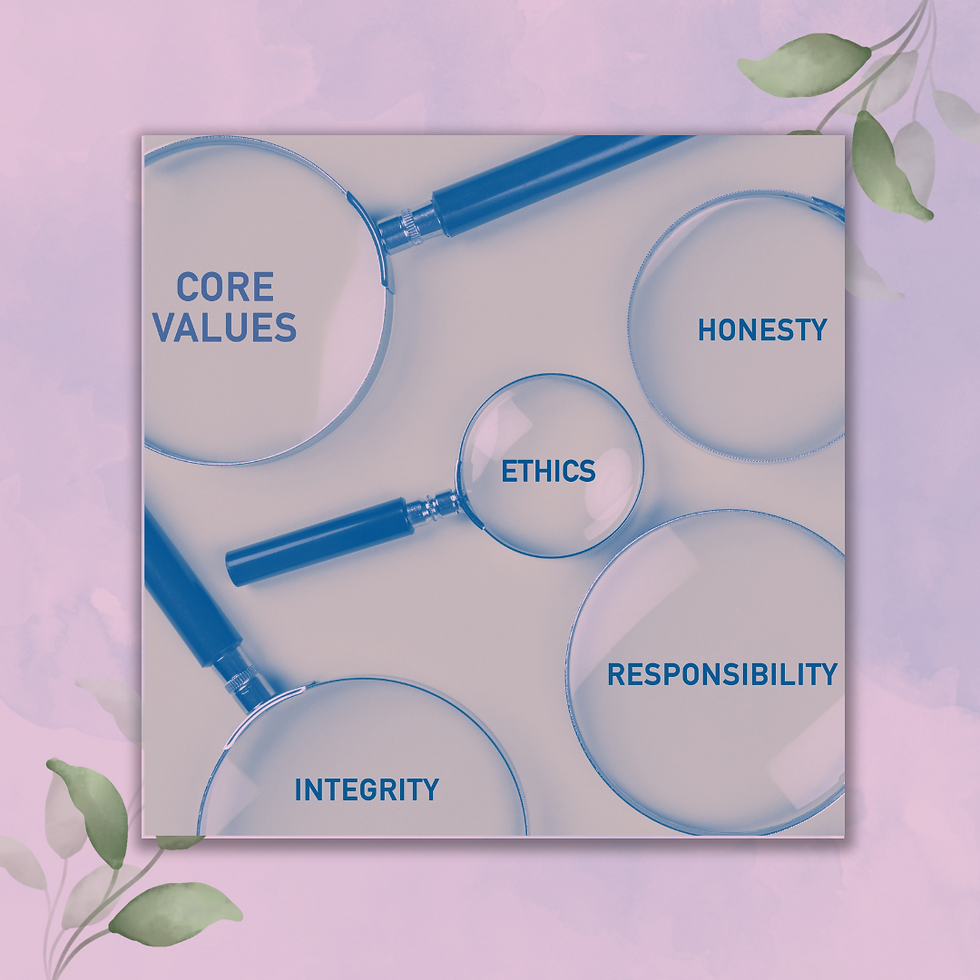
When life seems to be the most confusing and overwhelming, it's important to have a guiding light. A core set of values can help you make decisions, stay grounded and focused on what matters most.
When we're stressed out or distracted by many things that are fighting for our attention, it's easy to lose sight of lose sight of ourselves.
I'm always amazed at how many people I meet who are so busy doing things that they don't even know what their core values are — or even why they do what they do!
Think about it: When was the last time you sat down and thought about what really matters in your life? What makes you happy? What makes you sad? What makes you angry? What makes you proud? What motivates you? What do you want more of in your life?
These are all questions worth asking yourself periodically — especially when things get tough or stressful. The answers will help guide your choices and help keep them aligned with who you truly are.
The world can be a confusing place, and it's not always easy to know what to do or how to feel about something. But if you want to live a happy and successful life, you need to make sure that you're always following your core values.
The great thing about core values is that they are an important part of who we are as individuals. They help us make decisions, stay true to ourselves and let us know what's right and wrong in any situation.
Core values allow us to choose our actions based on what we believe in. They help us make better decisions because we don't have to think twice about whether or not we should do something — it's obvious if it aligns with our core values or not.
You'll also find that having clear core values makes it easier for you to communicate with others about important issues in your life because it helps them understand where you're coming from and why certain things matter so much to you.
4. Not setting boundaries

Setting boundaries is the only way to protect your spirit and establish your worth. If you don't set boundaries, you will be in a state of perpetual chaos.
Setting boundaries means making a conscious decision about what you will allow in your life and what you won't. It involves setting limits and saying no to things that aren't good for you or things that are not aligned with who you are.
Setting boundaries also means being honest with yourself and others about what is acceptable and unacceptable behavior on both sides of the equation — yours and theirs.
Boundaries are not meant to punish or shame others; they are meant to help them understand how their actions affect us so that they can make better choices in the future.
It's important to set boundaries, both for your own well-being and for the sake of others.
Boundaries are all about knowing where you end and another person begins. They help us identify what we can take responsibility for and what we can't control. They can also help us decide whether it's safe to be honest in a relationship or if we need to keep certain things to ourselves.
A lot of people don't know where they begin and end, or they don't feel entitled to their own feelings and needs. When this happens, they may find themselves emotionally drained by the time they get home from work or school. If you're someone who has trouble setting boundaries, here are some tips on how to protect yourself from burnout:
Learn how to say no — It's important to learn how to say no when someone asks for something that will take up your time or energy, especially if it's not in your best interest or if you've already made other plans. For example, if someone wants you to volunteer for an event but you already have plans that weekend, politely decline their request by saying something like: "I wish I could help out with this event but I have another commitment during that time period."
5. Being unable to live in the moment

Maybe you've seen this quote: "The past is a ghost, the future a dream, and all we ever have is now."
That's a good reminder not to linger on the past or overthink about the future. Both can cause anxiety and removes you from experiencing the gift that is the present.
So how do we live in the present? Here are some quick tips:
1. Focus on what's right in front of you — literally and figuratively. Look at an object near you or try to find something interesting in your immediate environment.
2. Don't spend too much time thinking about other people's lives — either real people or celebrities (or both). Tune out gossip, rumors and negative self-talk about others' lives because they're not doing anything for you right now; they're only hurting your happiness level!
A dear friend of mine often tells me, "You can't change the past, but you can learn from it." This is absolutely true when it comes to how we think about our past experiences.
We all have regrets, but most of them are things that we cannot change. However, we can learn from them and use those lessons to make different choices in the future.
For example, if you regret not going after that job or person you really wanted because you didn't think they would be interested in you, then use this as a lesson learned so that next time you'll take action sooner and make your own decisions instead of worrying about what other people will think or say.
When we're stuck in the past or overthinking about the future, we lose out on what's happening right now. We miss out on opportunities right in front of our eyes because we're too busy thinking about how things could have been different or what might happen later on down the road.
6. Believing you have nothing left to learn

We all want to be the masters in our field, but it's easy to think that we've reached a point where there's nothing left for us to learn. The truth is, there's always something new to discover.
We don't stop learning because we grow old; we grow old because we stop learning. —Winston Churchill
The first step toward changing your working habits is admitting that you have a problem. You might be surprised by how many people have the same issues you do, or perhaps you'll discover that you're not alone in your struggles.
Once you've identified the problem, it's time for solutions. You may be a seasoned professional, but that doesn't mean you can't learn something new.
In fact, learning from others is the most effective way to build upon your skills and grow as a person. Unfortunately, many people are reluctant to seek out new information for fear of looking foolish. But if you're afraid of being wrong or looking stupid, you'll never improve as a person or professional.
Here's why:
You might learn something new that changes your perspective on things. Learning something new can help you see things differently and make better decisions in the future.
You'll gain more respect from others who see that you've taken the time to learn from them instead of hiding behind your own arrogance or pride.
It's important not to forget that even beginners can provide valuable insight into topics they've never studied before — so don't shield yourself from helpful information because of your ego.
The human brain is a remarkable thing. It can hold a lifetime of memories, yet it's also flexible enough to learn new information at any age.
If you're still learning at 50, 60 or 70 years old, you're not too old to make a change for the better. In fact, sticking with what you know can be its own form of complacency — and that's why you need to keep growing as a person.
Don't let your ego get in the way of learning something new. Even if you feel like an expert in your field, there are always ways to improve yourself and make changes that will help others along the way.
A few ways that you can keep learning as an adult:
1. Read books — especially those written by experts in their field
2. Take free classes online at community colleges or university programs
3. Watch TED Talks online
4. Enjoy local museums or art galleries
7. Avoiding your emotions

Don't avoid feeling your emotions. In new age spirituality, it's easy to push "negative" feelings aside because we feel they are low vibrational. However, this is where growth happens.
I've discovered through my own journey that the more I allow myself to feel my emotions, the less they control me.
Emotions can be very powerful and they can also be tricky because they're not always rational or logical. They can make us do things we later regret or that hurt others. However, if you can learn how to manage your emotions in a healthy way, it will make a huge difference in how you live your life and how others perceive you.
Our emotions are an essential part of our being. It makes us human and gives us the ability to connect with others on a deeper level than just talking about things objectively. Emotions help us identify our needs and desires so we can take action towards fulfilling them.
Without emotions, we would not have compassion for other people or animals; we wouldn't care about our own health or well-being; nor would we experience joy from life's pleasures such as eating delicious food, laughing at jokes with friends or listening to music that moves us deeply within our souls!
It's easy to get caught up in this idea that we should always be happy, blissful and positive. The truth is that sometimes we need to feel our emotions. And it's okay for us to do so.
I think the reason we have this aversion to feeling our emotions is because of our western culture, which tends to suppress them and tells us emotions makes us weak. This isn't an effective strategy for dealing with feelings and can actually lead to more intense emotional experiences in the long run.
I also think we tend to push negative emotions aside because they are low vibration, but that's not really accurate either. If you've ever experienced depression or anxiety you know how painful those states can be, but they are part of the human experience and part of being human means experiencing those states of being too (and learning how to cope with them).
Going through the ups and downs of our emotions are a healthy way for us to heal from our experience so they we may live a more blissful tomorrow.




Comments